Welcome to Mole Check Removal Clinic in London, your trusted partner in {landing page} services. Our expert team is committed to delivering safe, effective, and personalised care, ensuring you feel supported throughout your journey to clearer skin. With state-of-the-art techniques and a patient-centred approach, we’re here to provide the highest standard of treatment tailored to your unique needs
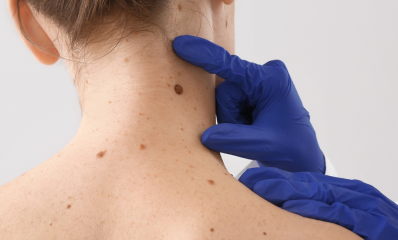
Cryotherapy is a precise procedure utilizing extreme cold, typically through liquid nitrogen, to freeze and effectively destroy abnormal skin tissue, including moles. This method is particularly suited for superficial moles and skin lesions, offering a quick and non-surgical route to clear skin, with the treated tissue naturally shedding off during the healing process.
Initial assessment by our dermatologist to confirm if your mole or skin lesion is suitable for cryotherapy, considering factors like size, depth, and location.
The skin around the mole is carefully cleaned, and sometimes, a protective gel is applied to the surrounding skin to minimize the risk of damage from the freezing agent.
A controlled amount of liquid nitrogen is precisely applied to the mole using a spray or a cotton-tipped applicator, freezing the abnormal tissue. The process may cause a slight stinging sensation.
We provide detailed guidance on how to care for the area post-treatment, including keeping it clean and protected, to encourage proper healing and minimize any scarring. Instructions will also cover signs of infection to watch for and how to manage any discomfort.
The procedure is quick, often taking only a few minutes, making it convenient for patients with busy schedules.
Most patients experience only mild discomfort during the procedure, akin to a slight burning or stinging sensation, which quickly subsides. No anaesthesia is required, making it a straightforward treatment option.
The healing process is typically faster than surgical methods, with the treated area usually healing within two to three weeks. This quick recovery time allows patients to resume their normal activities with little interruption.
Cryotherapy is associated with a lower risk of infection and complications compared to surgical treatments. The non-invasive nature of this method makes it a safe choice for effectively removing moles and skin lesions.
Ideal for treating certain types of moles and skin lesions. A professional evaluation is necessary to determine if cryotherapy is the best course of action based on the specific characteristics of your mole.
Some patients may experience temporary side effects such as redness, blistering, or a change in skin pigment at the treatment site. These effects are generally mild and temporary.
Proper aftercare is crucial for optimal healing. This includes keeping the treated area clean, dry, and protected from direct sunlight. Avoiding picking at the healing skin is important to prevent scarring. We’ll also guide you on monitoring the area for any signs of infection or unusual changes during the healing process.

Cryotherapy is highly effective for removing superficial moles, skin tags, and certain types of skin lesions that are benign in nature. It’s particularly suited for areas that require a non-invasive approach to minimise scarring and promote quick healing.
Cryotherapy works by applying extreme cold, usually through liquid nitrogen, directly onto the mole or skin lesion. This rapid cooling causes the targeted cells to freeze and die. Over the following days, the treated tissue naturally sheds, allowing healthy skin to emerge.
Patients may experience a mild stinging or burning sensation during the application of liquid nitrogen, but this is generally well-tolerated and short-lived. Local anaesthetic is rarely required due to the procedure’s quickness and minimal discomfort.
After cryotherapy, the treated area may become red, swollen, and form a blister, which is a normal part of the healing process. The blister may dry up and form a scab, which will eventually fall off, revealing new skin beneath. Complete healing typically occurs within one to two weeks.
Cryotherapy is considered safe with a low risk of complications. Possible side effects include temporary redness, blistering, and swelling. There’s a minimal risk of scarring or changes in skin colour, particularly in darker skin tones. Our clinicians will discuss these risks with you and take precautions to minimise them.
It’s important to keep the treated area clean and protected. You should avoid picking at the scab or blister to reduce the risk of scarring. We will provide you with detailed aftercare instructions, including how to clean the area and any recommended products to use during the healing process.