Navigate your path to skin health with our comprehensive Mole Assessment service at Mole Check Removal Clinic in London. Utilising advanced diagnostic tools, our dermatology experts meticulously evaluate your moles, identifying any signs of concern and providing clear, informed guidance. Prioritise your skin’s health in a setting that values precision and compassionate care.
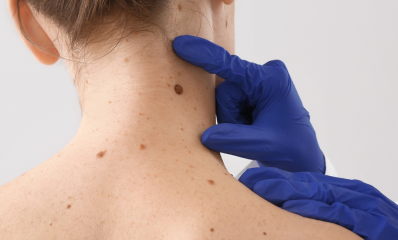
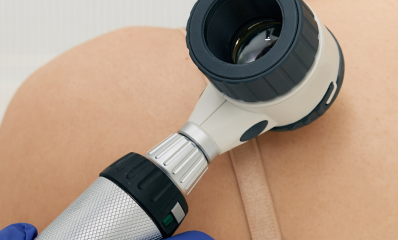
Mole assessment is a preventative measure critical in the early detection of skin cancer, including melanoma. It involves a thorough examination of your moles for any signs of change or irregularity, using both visual inspection and dermatoscopic analysis. This proactive approach is essential for individuals with a significant number of moles, a history of sun exposure, or a family history of skin cancer.
Schedule a mole assessment if you notice new moles, changes in existing moles, or if you have risk factors for skin cancer. Early detection is paramount in ensuring the best possible health outcomes, making regular assessments an integral part of your skin health regimen.
Our dedicated team of dermatologists specializes in mole assessment, combining years of experience with the latest diagnostic technologies. We’re committed to providing personalised care, ensuring you receive accurate information and guidance to manage your skin health effectively.

A mole assessment includes a comprehensive examination of your moles using visual inspection and dermatoscopic analysis to detect any signs of abnormality or change that could indicate skin cancer.
Regular mole assessments are crucial for the early detection of skin cancer, including melanoma. They help identify changes in moles at an early stage when treatment is most effective.
Frequency depends on individual risk factors, such as personal or family history of skin cancer, the number of moles, and previous sun exposure. Generally, an annual check-up is recommended, but some may require more frequent assessments.
Be vigilant for new moles, changes in size, shape, or color of existing moles, and any mole that itches, bleeds, or becomes tender. These changes warrant an immediate assessment.
While mole assessment significantly aids in detecting melanoma and other skin cancers, it’s important to note that not all skin cancers begin as moles. Regular self-examinations and professional assessments are key to comprehensive skin cancer detection.
If a mole appears suspicious, we may recommend a biopsy, where a small tissue sample is taken for further examination under a microscope to determine if cancerous cells are present.
The assessment itself is non-invasive and painless, involving visual and dermatoscopic examination. If a biopsy is required, local anaesthesia is used to minimize discomfort.
A thorough mole assessment can take anywhere from 15 to 30 minutes, depending on the number of moles and the level of examination required.
Avoid wearing makeup or nail polish to the assessment, as these can obstruct the view of moles. Having a list of moles you’re particularly concerned about can also be helpful.
Following a mole assessment, it’s essential to protect your skin from the sun, regularly check your skin for any changes, and adhere to the recommended follow-up or monitoring plan provided by your dermatologist.