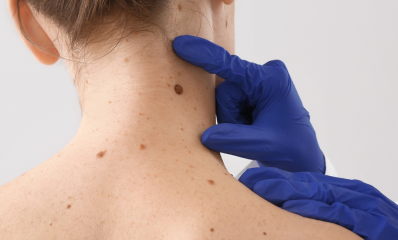

A mole, medically known as a nevus, is a common skin growth that appears when pigment cells (melanocytes) in the skin grow in clusters. Moles can vary in color, size, and shape, and most are harmless. They can be flat or raised, smooth or rough, and some have hair growing from them. While most moles are benign and don’t require treatment, monitoring changes in size, color, or shape is important as these can be signs of skin cancer.
Mole removal might be considered for several reasons, including cosmetic preferences, discomfort (if the mole rubs against clothing or jewelry), or medical concerns. If a mole changes in size, color, or shape, it can be a sign of melanoma, a type of skin cancer. Early assessment and removal of suspicious moles can be critical. Our clinic also addresses cosmetic concerns, helping you feel more confident in your skin.
Our clinic offers various mole removal methods tailored to individual needs, including shave excision, cryotherapy, laser removal, and ellipse excision. The choice of method depends on the mole’s characteristics and location, as well as patient preferences and medical necessity. Each technique has its benefits, from minimal scarring to precise removal of deeper moles, ensuring the best cosmetic and health outcomes.
Changes in a mole’s appearance can be early signs of melanoma. Warning signs include asymmetry, irregular borders, changes in color, diameter larger than a pencil eraser, and evolving size, shape, or color. It’s important to have regular skin checks and consult a dermatologist if you notice any changes in your moles. Our clinic provides comprehensive mole assessments to address these concerns.
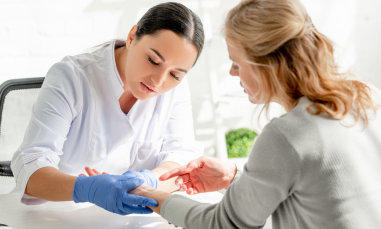
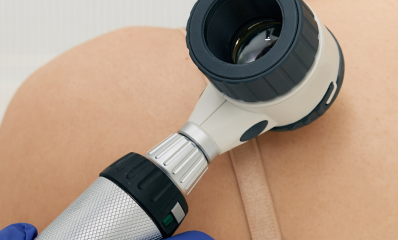
During your consultation, you’ll meet with a dermatologist who will review your medical history, examine your moles using dermatoscopy, and discuss any concerns you may have. This visit is an opportunity to explore different mole removal options and develop a personalized treatment plan. Consultations are designed to be informative, reassuring, and an essential step towards your treatment, ensuring you feel supported and informed throughout the process.
Mole removal is generally performed using local anesthesia to numb the area, which means you should not feel pain during the procedure. Some patients might experience a slight pinching or pressure sensation when the anesthesia is administered. After the procedure, there might be minor discomfort, tenderness, or a sensation similar to a sunburn in the treated area, but this is typically manageable with over-the-counter pain relievers. Our clinic ensures that you are as comfortable as possible during and after the procedure, with clear guidance on managing any post-treatment discomfort.
The recovery time from mole removal can vary depending on the method used and the individual’s healing process. For non-surgical methods like cryotherapy or laser removal, recovery can be as short as a few days. Surgical methods, such as shave excision or ellipse excision, may require one to two weeks for the initial healing, with complete healing taking up to several months. We provide detailed aftercare instructions to support your recovery, ensuring the best possible healing and aesthetic outcome.
While mole removal is generally safe, as with any procedure, there are potential risks or side effects, including infection, bleeding, scarring, or changes in skin color at the treatment site. Rarely, there may be a recurrence of the mole. Our team takes steps to minimize these risks, including using sterile techniques and providing
Opting for professional mole removal means choosing safety, expertise, and peace of mind. Professionals have the tools, knowledge, and experience to accurately diagnose and effectively remove moles with minimal risk. Unlike at-home methods, which can be unsafe and ineffective, professional removal ensures the procedure is done correctly, with care taken to minimise scarring and ensure proper healing.
You might consider having a mole removed if it has changed in size, shape, or colour, which can be sign of potential health issues. Other reasons include discomfort (if the mole rubs against clothing or jewellery) or cosmetic reasons if you simply don’t like the way it looks. However, it’s important to consult with a professional to determine if removal is necessary or advisable.
There are several methods for mole removal:
Mole removal is generally not very painful. Most methods involve local anaesthesia to numb the area, so you shouldn’t feel much during the procedure. There might be some discomfort or a sensation of pressure, but this is usually minimal. After the procedure, there may be some tenderness or sensitivity as the area heals.
Preparation is simple:
Recovery varies depending on the removal method but is generally quick. You might experience some redness, swelling, or discomfort initially. Your doctor will provide specific aftercare instructions, which may include keeping the area clean and applying a prescribed ointment. It’s important to follow these instructions to ensure proper healing and minimize scarring.
Scarring can depend on the mole removal method and the individual’s healing process. However, professional mole removal aims to minimize scarring as much as possible. Techniques are chosen based on the mole’s location and appearance to ensure the best cosmetic outcome. Any scarring that does occur typically fades over time and can be further treated if necessary.
A mole assessment includes a comprehensive examination of your moles using visual inspection and dermatoscopic analysis to detect any signs of abnormality or change that could indicate skin cancer.
Regular mole assessments are crucial for the early detection of skin cancer, including melanoma. They help identify changes in moles at an early stage when treatment is most effective.
Frequency depends on individual risk factors, such as personal or family history of skin cancer, the number of moles, and previous sun exposure. Generally, an annual check-up is recommended, but some may require more frequent assessments.
Be vigilant for new moles, changes in size, shape, or color of existing moles, and any mole that itches, bleeds, or becomes tender. These changes warrant an immediate assessment.
While mole assessment significantly aids in detecting melanoma and other skin cancers, it’s important to note that not all skin cancers begin as moles. Regular self-examinations and professional assessments are key to comprehensive skin cancer detection.
If a mole appears suspicious, we may recommend a biopsy, where a small tissue sample is taken for further examination under a microscope to determine if cancerous cells are present.
The assessment itself is non-invasive and painless, involving visual and dermatoscopic examination. If a biopsy is required, local anaesthesia is used to minimize discomfort.
A thorough mole assessment can take anywhere from 15 to 30 minutes, depending on the number of moles and the level of examination required.
Avoid wearing makeup or nail polish to the assessment, as these can obstruct the view of moles. Having a list of moles you’re particularly concerned about can also be helpful.
Following a mole assessment, it’s essential to protect your skin from the sun, regularly check your skin for any changes, and adhere to the recommended follow-up or monitoring plan provided by your dermatologist.