Welcome to Mole Check Removal Clinic in London, where your health and aesthetic goals meet expert care. Specialising in mole removal, we offer tailored solutions to address both cosmetic concerns and health precautions. Our dedicated team is here to guide you through understanding your options and ensuring the safest, most effective treatment.
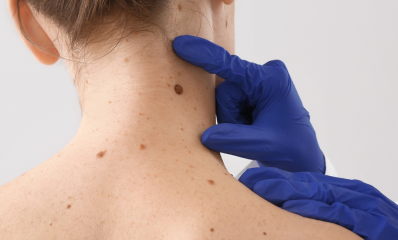
Mole removal is a common and safe dermatological procedure designed to eliminate moles that are either aesthetically concerning or medically significant. Moles, or nevi as known in medical terminology, are widespread skin growths that come in various colors and sizes. These can be congenital (present at birth), acquired (developed after birth), or atypical (unusual in appearance), and while many are benign, some may evolve in ways that pose a risk for skin cancer.
Our clinic offers various mole removal services, each with its benefits and considerations. Here’s a quick comparison to help you understand which method might be right for you:
| Removal Method | How It's Performed | Pain Level | Scarring Potential | Typical Uses |
|---|---|---|---|---|
| Shave Excision | A dermatologist uses a small blade to shave off the mole, usually without cutting into the skin beneath the mole. This method may include applying a local anesthetic. | Low to moderate | Low; may leave a slight pink mark that can fade over time. | Best for raised moles that protrude above the skin's surface. |
| Cryotherapy | Involves applying liquid nitrogen to the mole to freeze and destroy the tissue. This method may cause a slight stinging sensation during the procedure. | Low to moderate | Moderate; can leave a white mark or change in skin texture. | Often used for smaller, benign moles or precancerous growths like actinic keratoses. |
| Laser Removal | Uses laser light to break down the pigment in the mole. Multiple sessions might be needed. This method is less invasive and usually involves minimal discomfort. | Low | Low to moderate; risk of temporary or permanent lightening of the skin. | Suitable for flat, small, and non-cancerous moles, especially on the face or other visible areas. |
| Surgical Excision | The mole and a margin of surrounding tissue are cut out with a scalpel, and the wound is then stitched closed. This method often requires a local anesthetic. | Moderate (due to anesthetic) | Moderate to high; may leave a small scar, depending on the size of the mole and skill of the surgeon. | Recommended for larger moles, suspicious moles, or moles that might be cancerous, requiring examination of the entire mole. |
Choosing professional mole removal at our clinic not only guarantees the successful removal of unsightly or bothersome moles but also places a paramount emphasis on your health and safety. Our approach includes several key benefits designed to ensure optimal care:
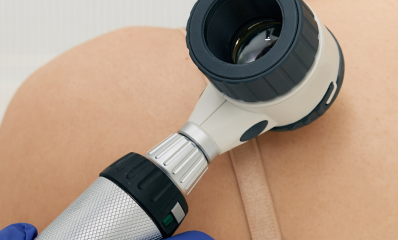
Evaluation: Every mole is meticulously examined by our dermatological specialists to identify any signs of malignancy. This proactive assessment helps in the early detection and prevention of skin cancer, offering you peace of mind.
We utilise state-of-the-art techniques for mole removal, carefully selected based on the individual characteristics of your mole and skin type. This personalised approach aims to minimise scarring and preserve the natural beauty of your skin.
The decision to remove a mole can be driven by aesthetic desires or medical necessity, particularly for moles that undergo changes in size, shape, or color, or those that cause symptoms such as itching, bleeding, or tenderness. Our clinic prioritizes a careful assessment by experienced dermatologists to determine the best course of action for each individual mole, ensuring both the health and satisfaction of our patients. With various removal techniques available, from surgical excision to laser therapy, we customize the treatment plan to suit the specific needs and ensure the best possible outcomes for our patients.
The first step towards mole removal is a comprehensive consultation with our specialist dermatologist. During this session, we’ll examine your mole(s), discuss your medical history, and consider your aesthetic or health-related goals. This personalised approach helps us recommend the most appropriate removal method, ensuring the best possible outcome while addressing your concerns and expectations.

Opting for professional mole removal means choosing safety, expertise, and peace of mind. Professionals have the tools, knowledge, and experience to accurately diagnose and effectively remove moles with minimal risk. Unlike at-home methods, which can be unsafe and ineffective, professional removal ensures the procedure is done correctly, with care taken to minimise scarring and ensure proper healing.
You might consider having a mole removed if it has changed in size, shape, or colour, which can be sign of potential health issues. Other reasons include discomfort (if the mole rubs against clothing or jewellery) or cosmetic reasons if you simply don’t like the way it looks. However, it’s important to consult with a professional to determine if removal is necessary or advisable.
There are several methods for mole removal:
Mole removal is generally not very painful. Most methods involve local anaesthesia to numb the area, so you shouldn’t feel much during the procedure. There might be some discomfort or a sensation of pressure, but this is usually minimal. After the procedure, there may be some tenderness or sensitivity as the area heals.
Preparation is simple:
Recovery varies depending on the removal method but is generally quick. You might experience some redness, swelling, or discomfort initially. Your doctor will provide specific aftercare instructions, which may include keeping the area clean and applying a prescribed ointment. It’s important to follow these instructions to ensure proper healing and minimize scarring.
Scarring can depend on the mole removal method and the individual’s healing process. However, professional mole removal aims to minimize scarring as much as possible. Techniques are chosen based on the mole’s location and appearance to ensure the best cosmetic outcome. Any scarring that does occur typically fades over time and can be further treated if necessary.